Taylor County, Georgia
Land Management Practices
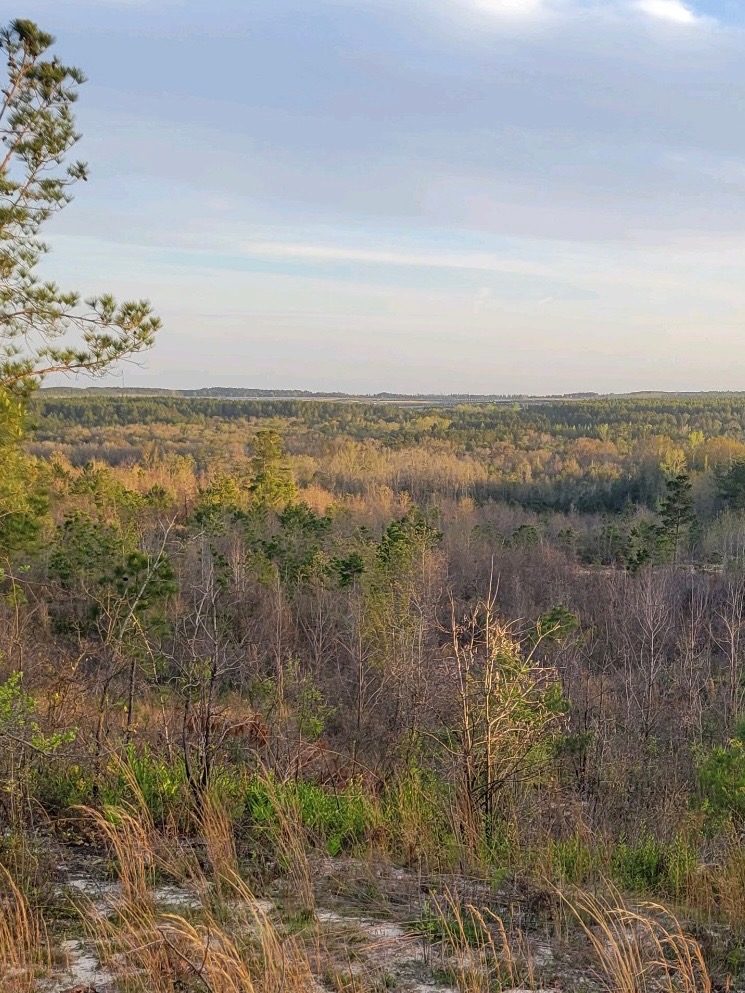
The hunting is the easy part. What makes Trigger Bow Ranch work is twelve months a year of dirt work — plots planted, pines thinned, minerals kept out, predators kept honest, ponds balanced and cameras running. Here's exactly how the ground is managed.
Food Plots & Row Crops
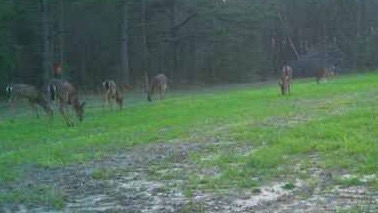
Plots are planned around bedding and travel, not around what's easy to plant. Alfalfa, clover, brassica, milo and corn keep quality groceries in front of the herd from green-up straight through late season.
- —Alfalfa / clover / brassica blends in the bottoms
- —Corn and milo left standing for winter herd and birds
- —Plots shaped and screened so stands stay huntable in any wind
- —Soil tested and limed on rotation
Timber & Dozer Work
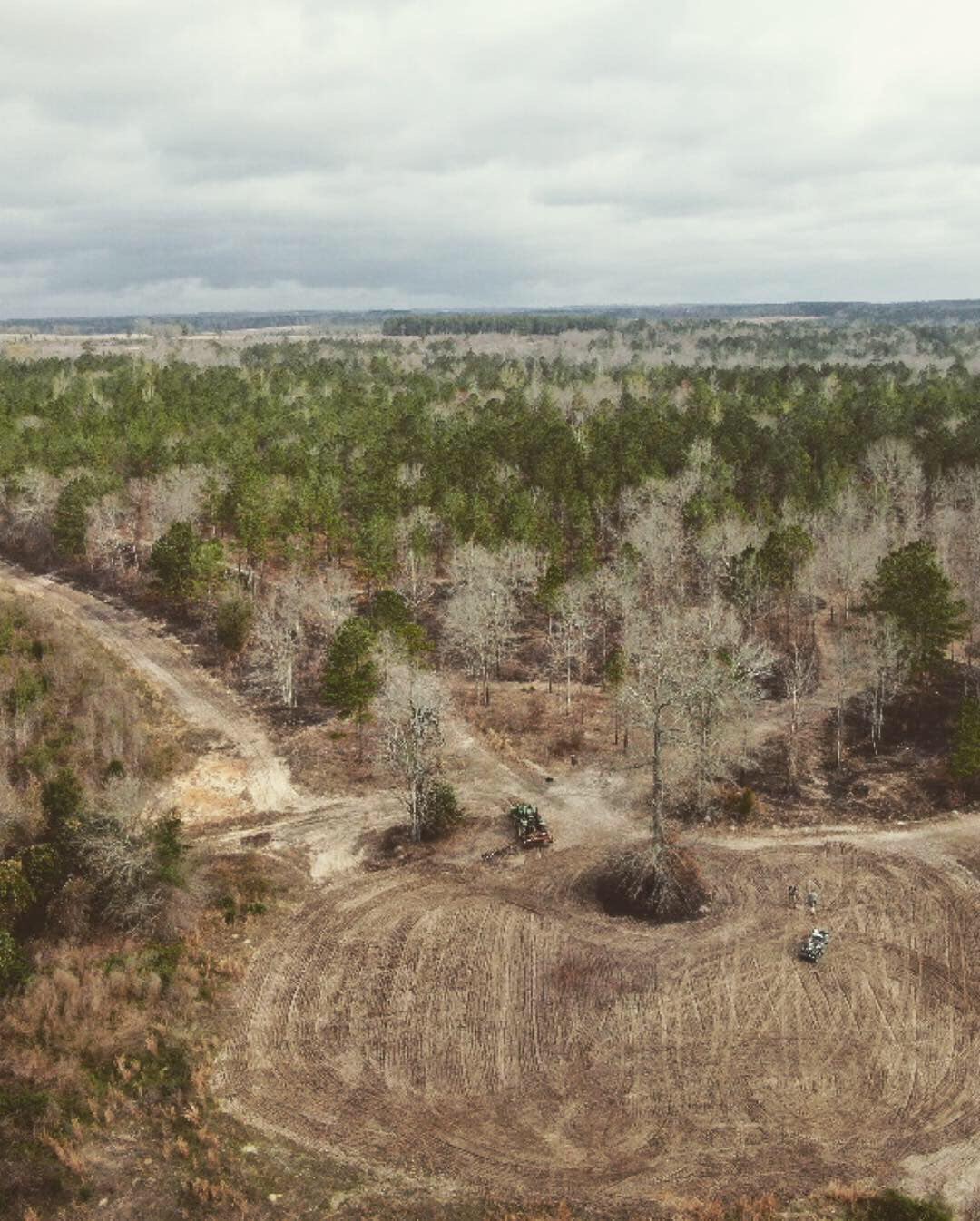
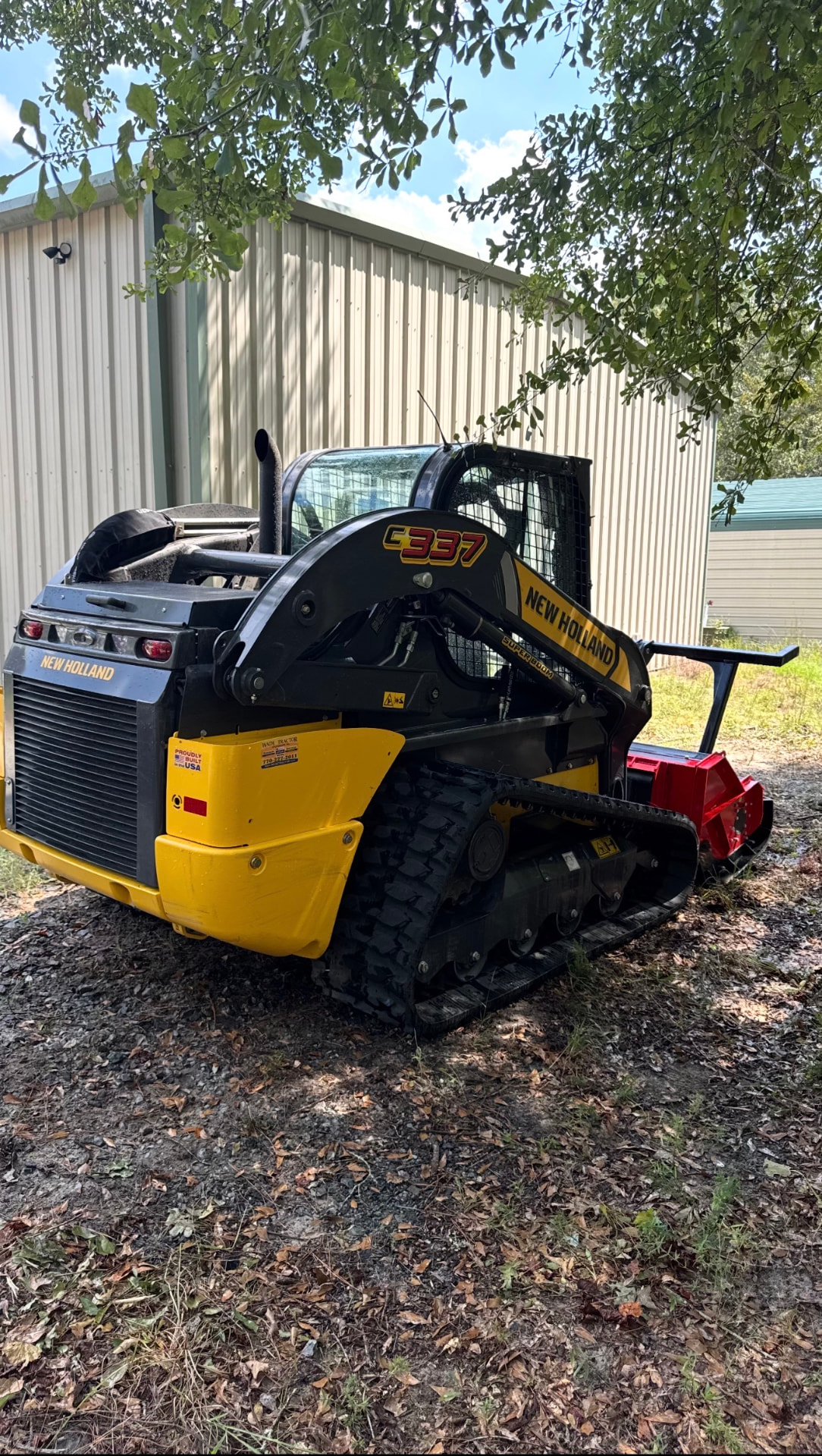
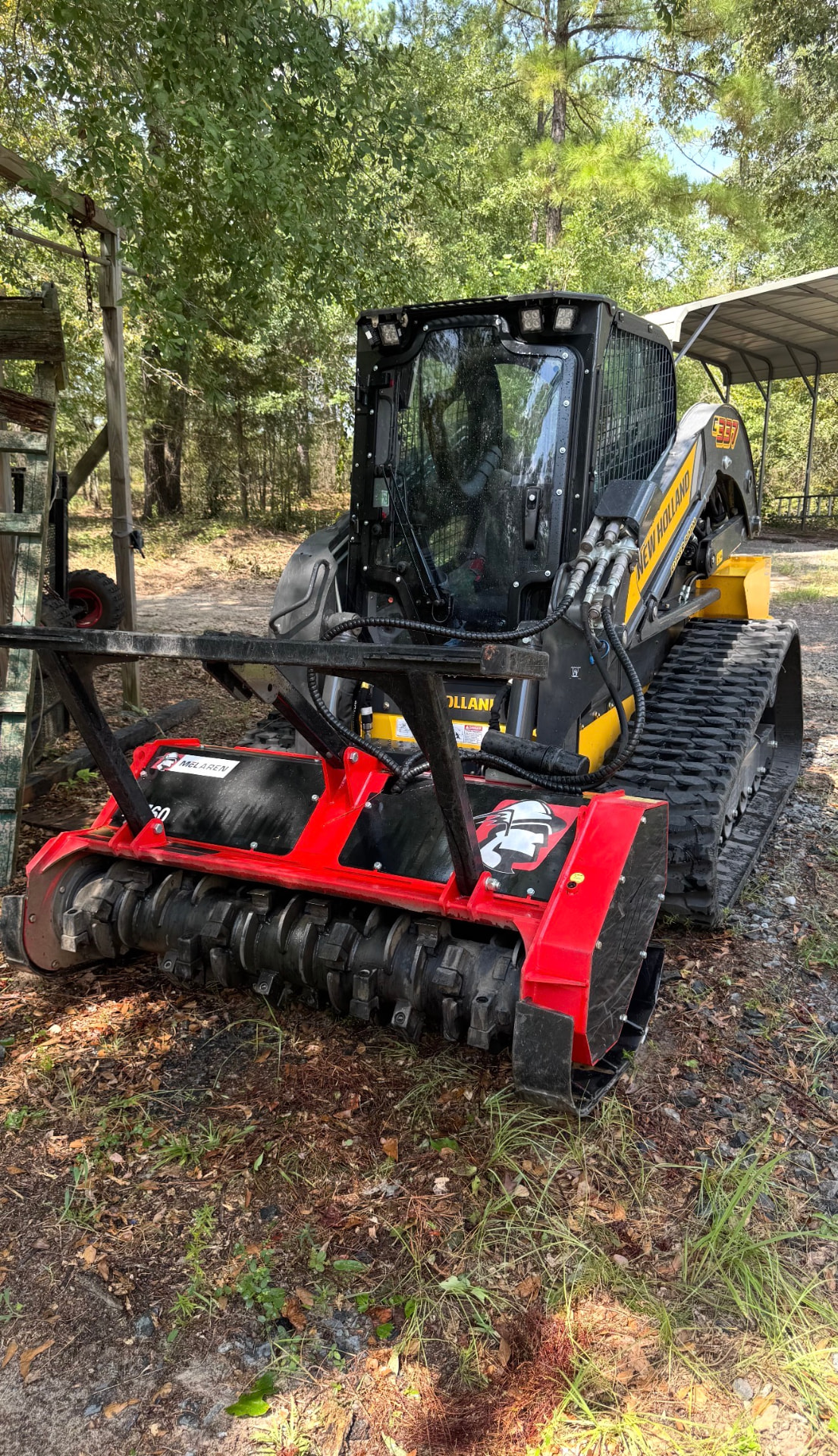
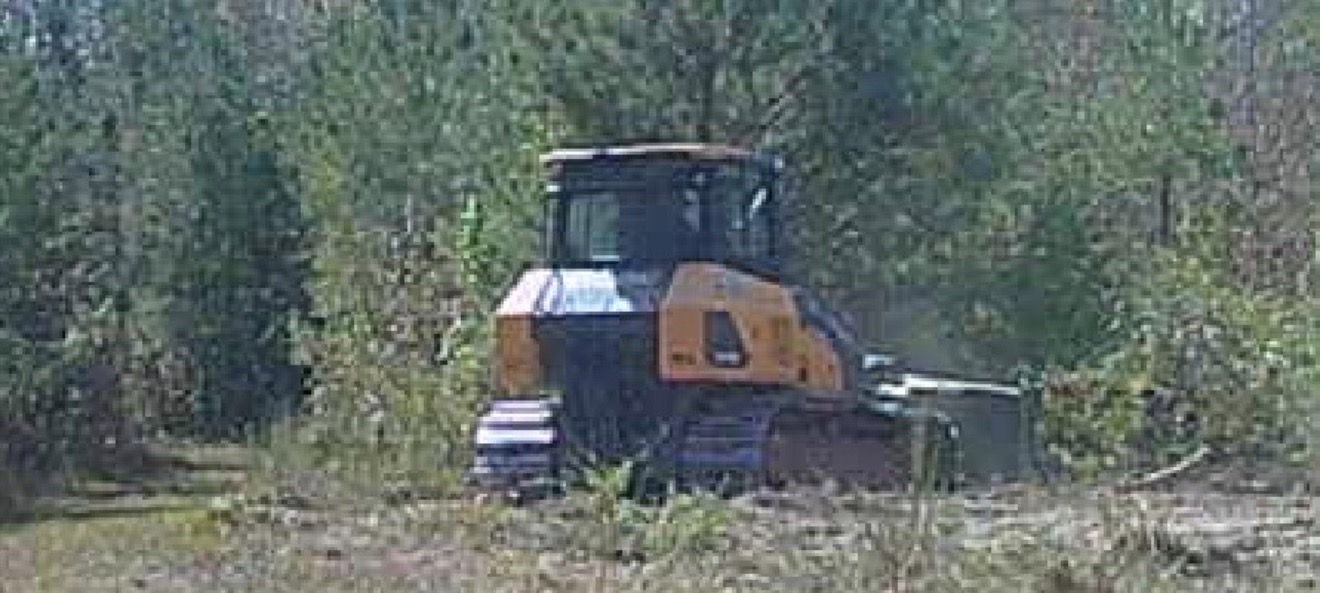
New openings get carved out of the pines every year — thinning, daylighting logging roads and pushing in fresh plots so young growth and browse keep coming back instead of shading out.
- —Selective pine thinning to open the canopy
- —New plots dozed out of pine stands
- —Interior roads maintained for quiet access
- —Hardwood bottoms left alone as sanctuary
Fire & Prescribed Burns
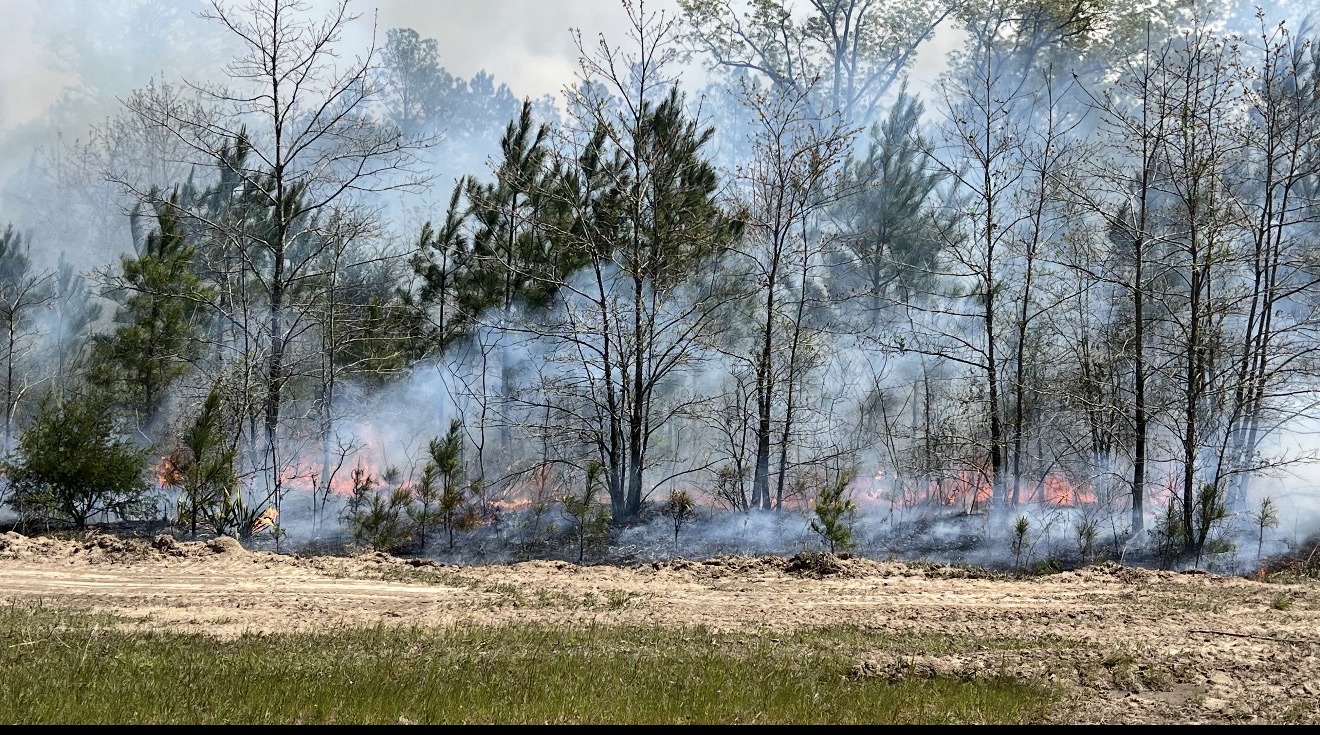
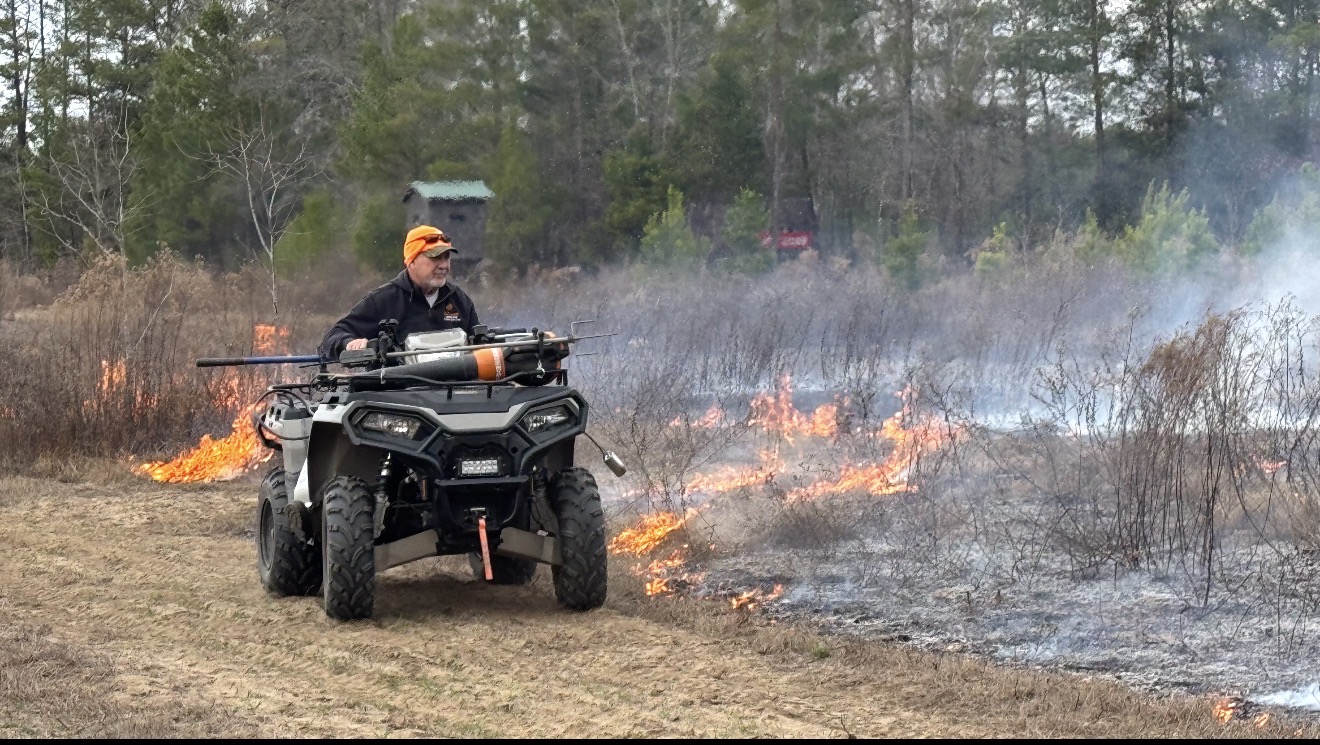
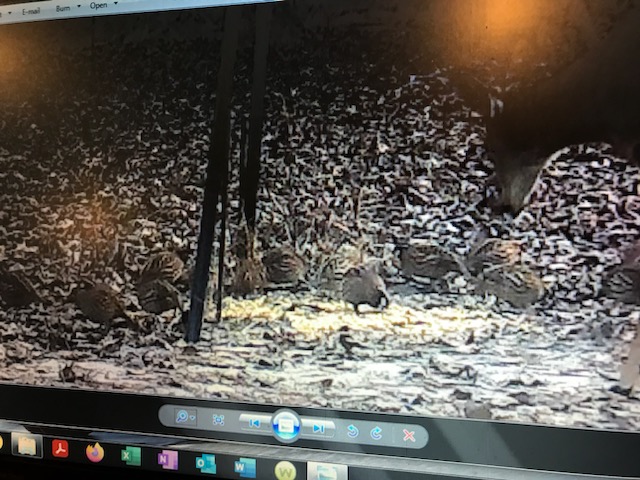
We use fire and prescribed burns annually to improve the hunting property. Controlled burns reset native grasses, knock back thick brush, and open the canopy so sunlight reaches the ground — which means better browse, more bugs for turkeys and quail, and fresh green-up that deer key on through spring.
- —Annual prescribed burns planned around weather windows
- —Burn lines and firebreaks maintained before every season
- —Targeted blocks rotated so cover always remains available
- —Native warm-season grasses respond quickly after a burn
Minerals & Supplemental Feed
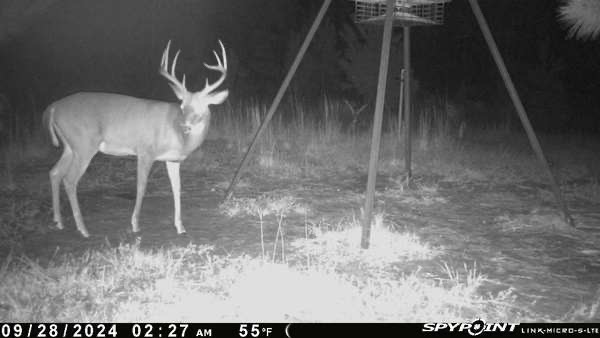
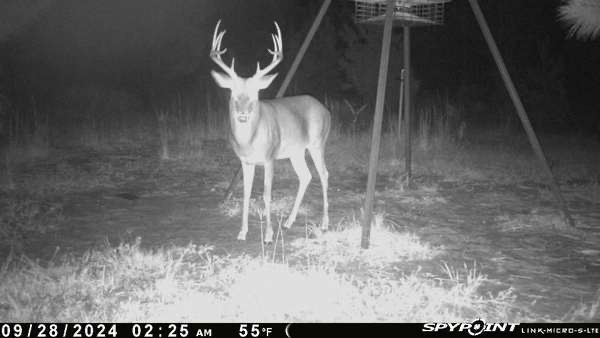
Mineral licks and feeders run year-round where legal, with the heaviest push through antler growth and post-rut recovery. It shows up in body weight and in headgear.
- —Sanctuary mineral licks refreshed each spring
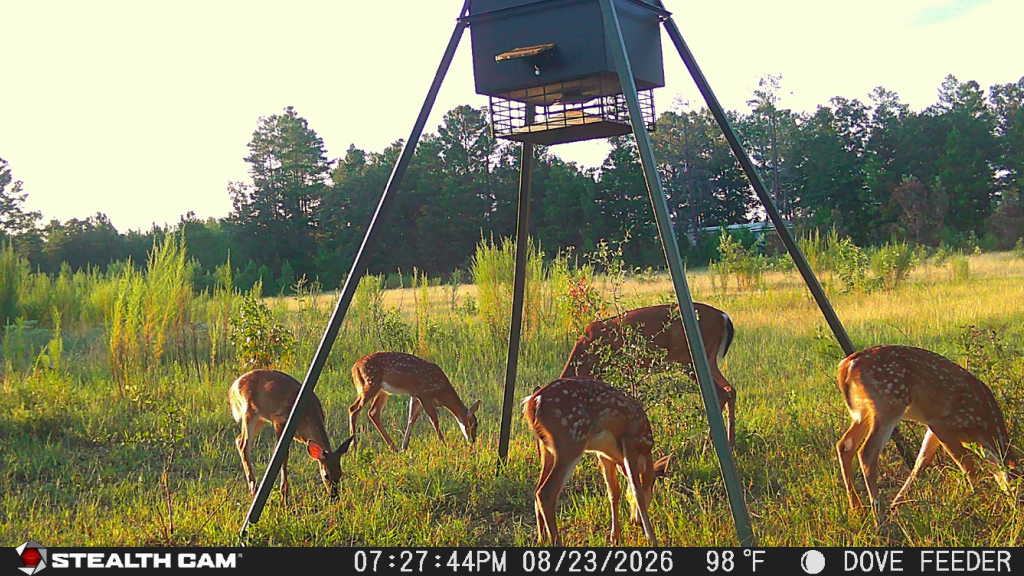
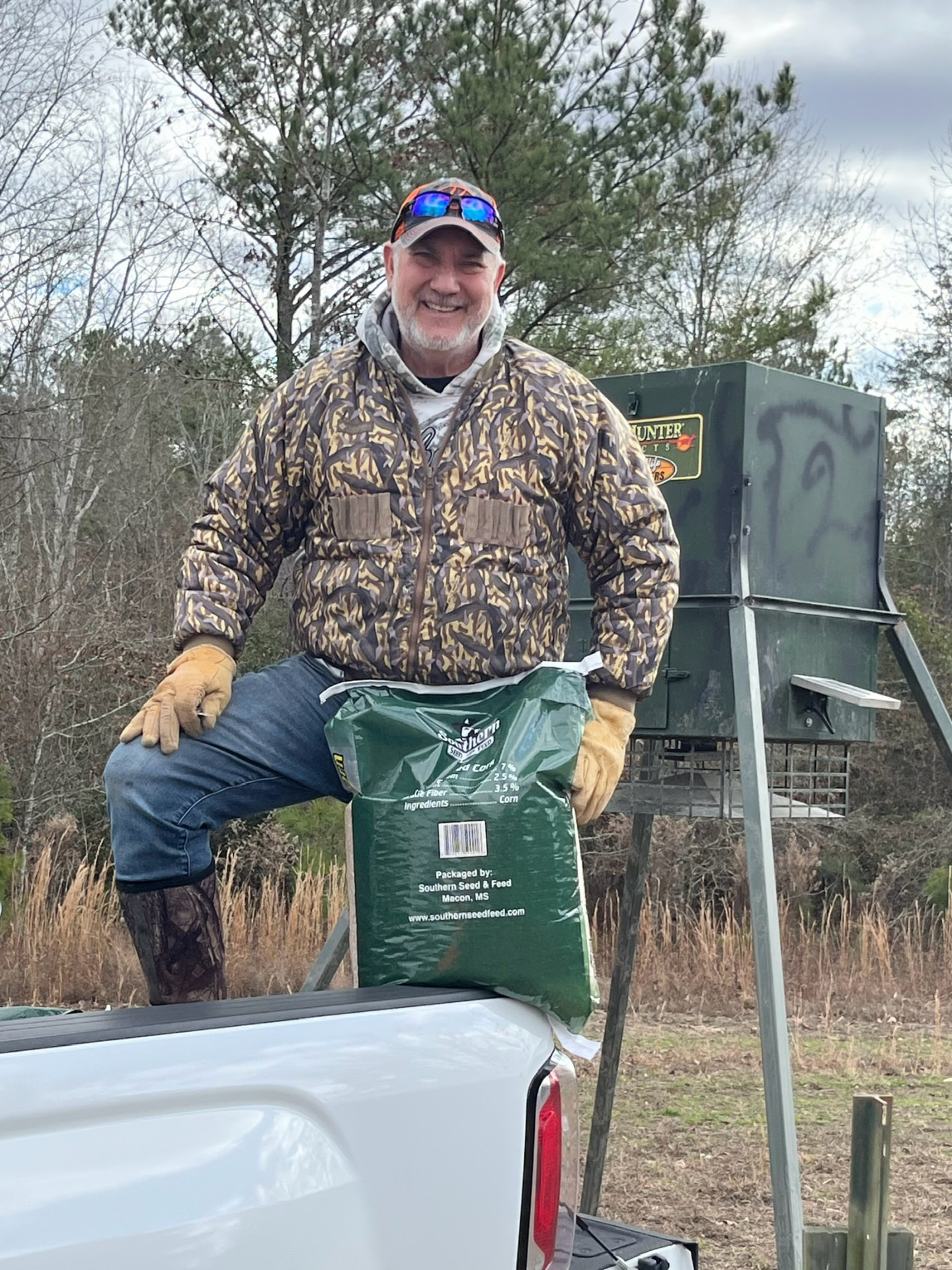
- —Tripod feeders kept full through summer stress
- —Corn hauled by the truckload — Southern Seed & Feed
- —Feed sites placed away from pressure and roads
Varmint & Predator Control
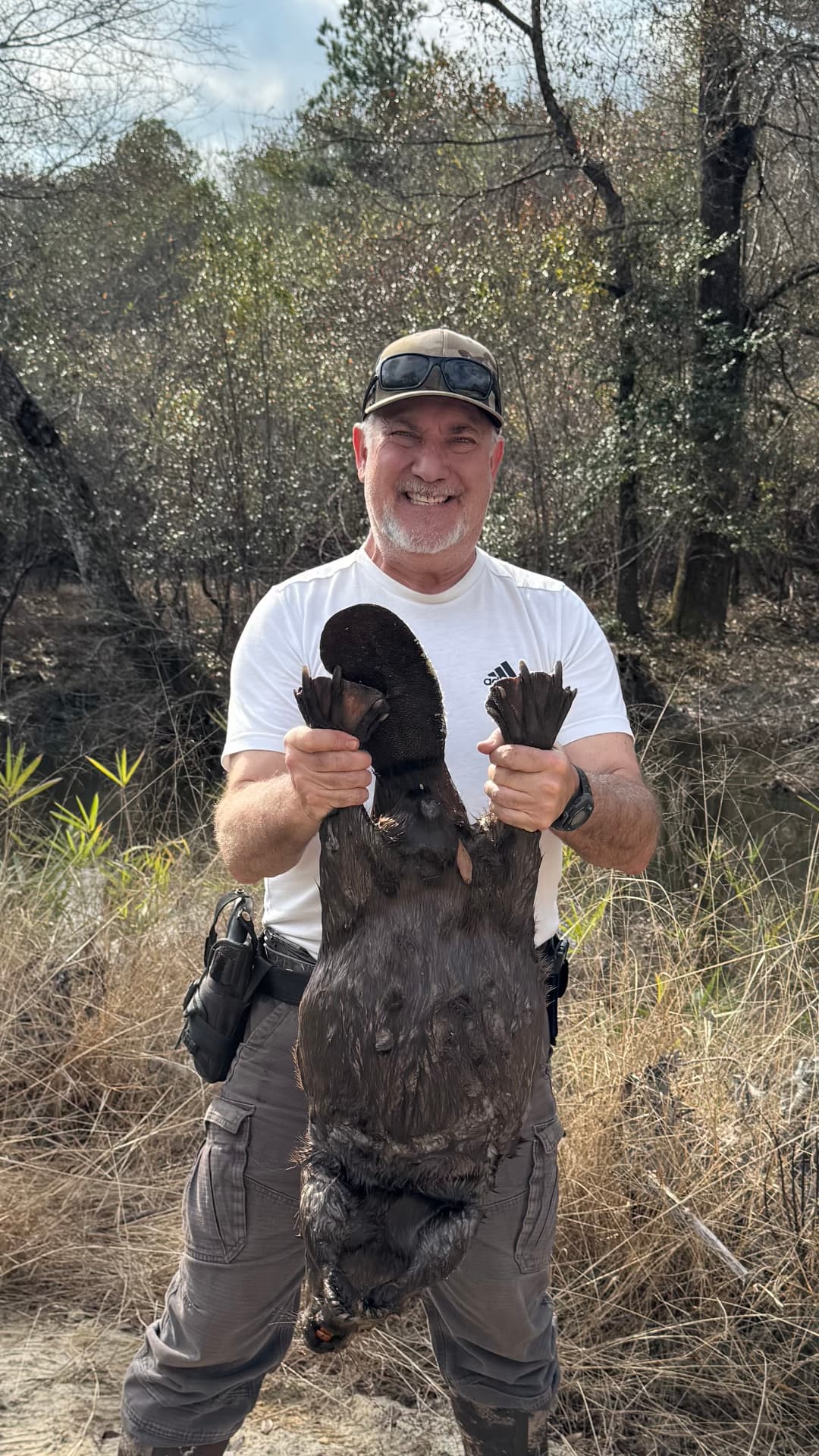
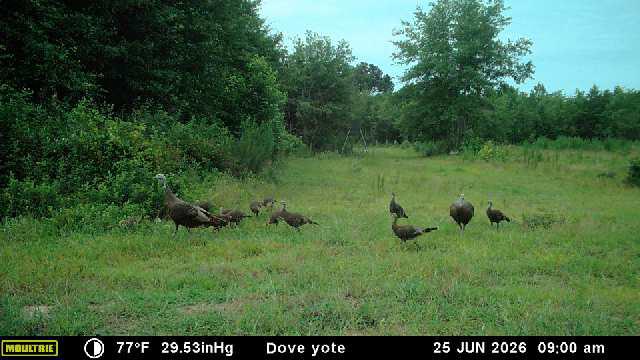
TBF Georgia has been aggressively managing the varmint population the past 2 years — coyotes, bobcats and nest raiders. That work is why limited spring turkey hunts come back in 2027.
- —Year-round coyote calling and night thermal work
- —Nest-predator trapping ahead of turkey and quail nesting
- —Russian black hogs hunted 365 days a year to protect plots
- —Fawn-crop and poult surveys to measure results
Water & Pond Management
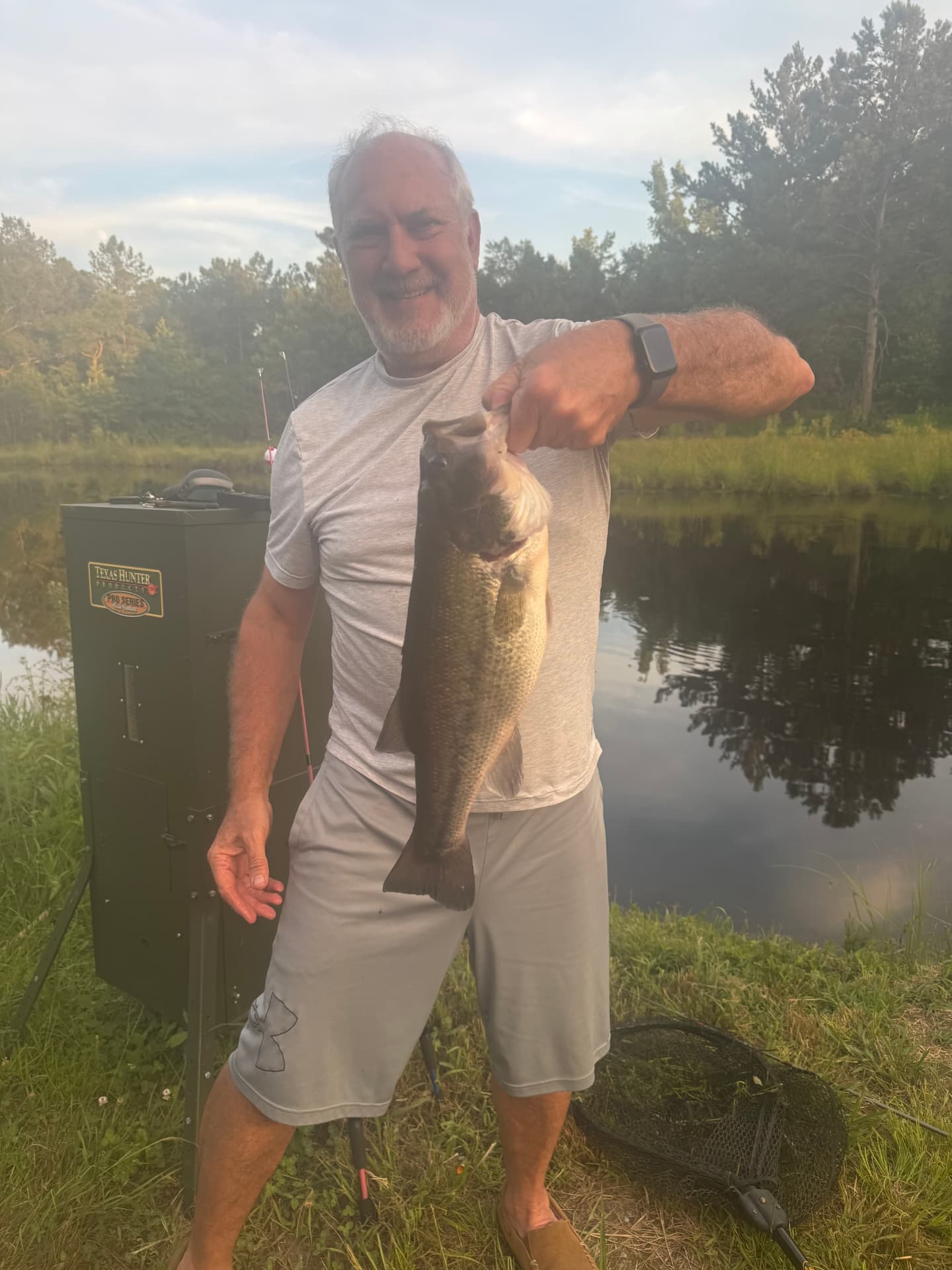
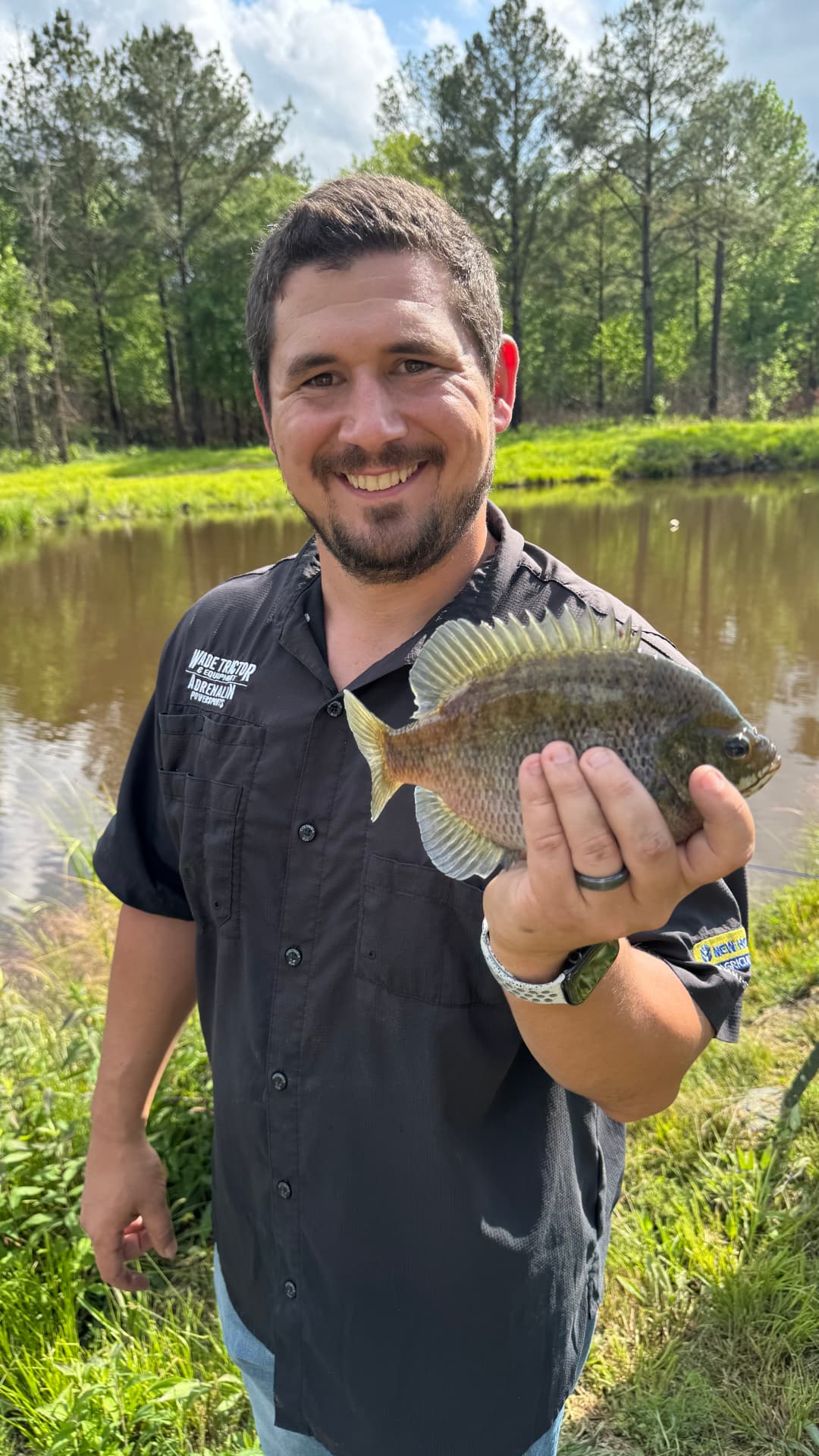
Farm ponds are managed for both wildlife and rod-and-reel — largemouth bass and bluegill kept in balance, with water available across the property in dry Georgia summers.
- —Bass and bluegill balanced through selective harvest
- —Pond banks kept mowed and fishable for kids
- —Water sources spread out so game never has to travel far
- —Dove and duck use encouraged around field edges
Access, Stands & Camera Surveys
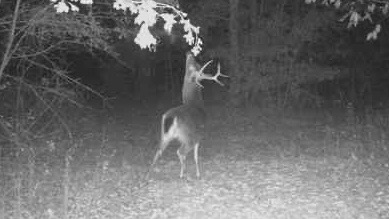
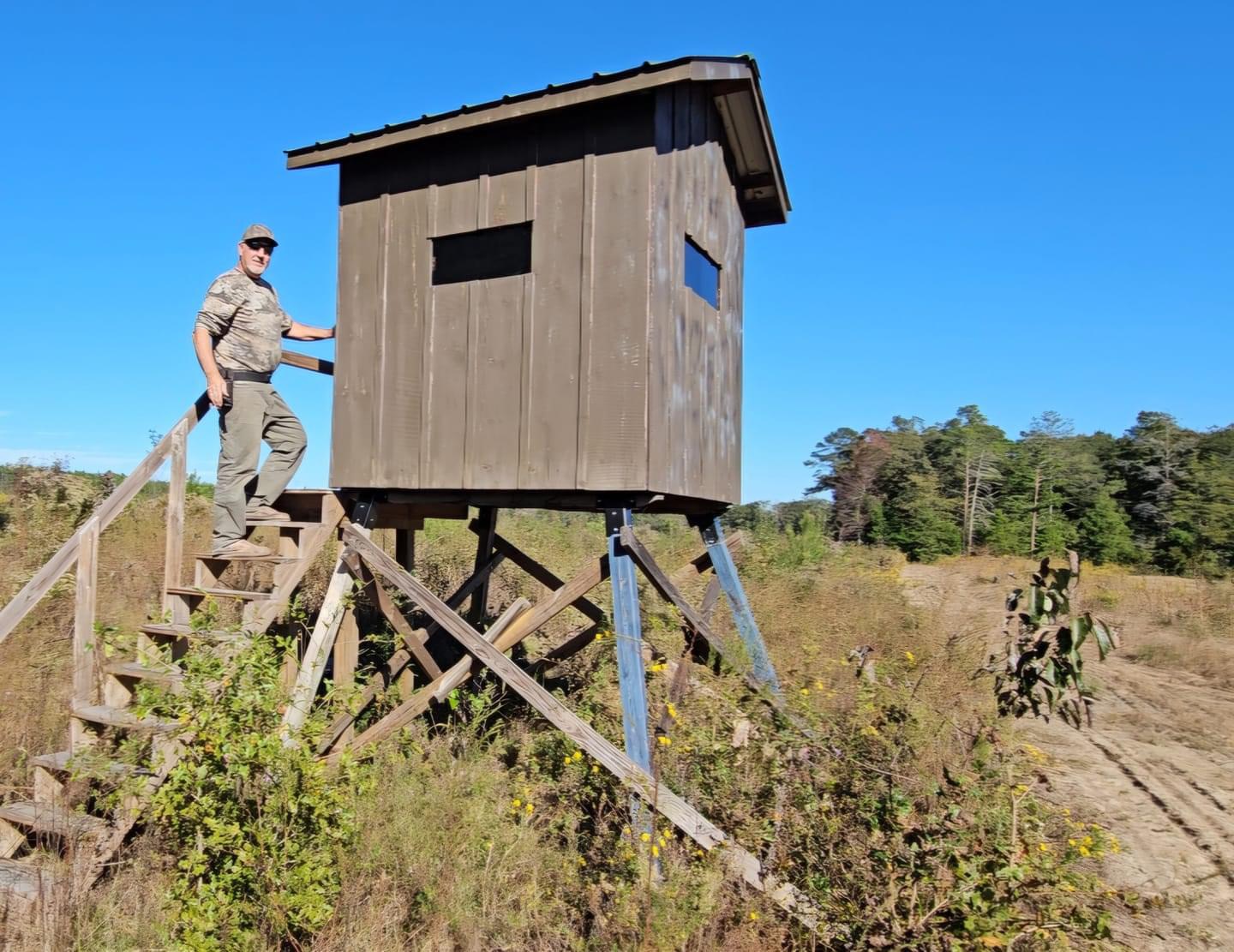
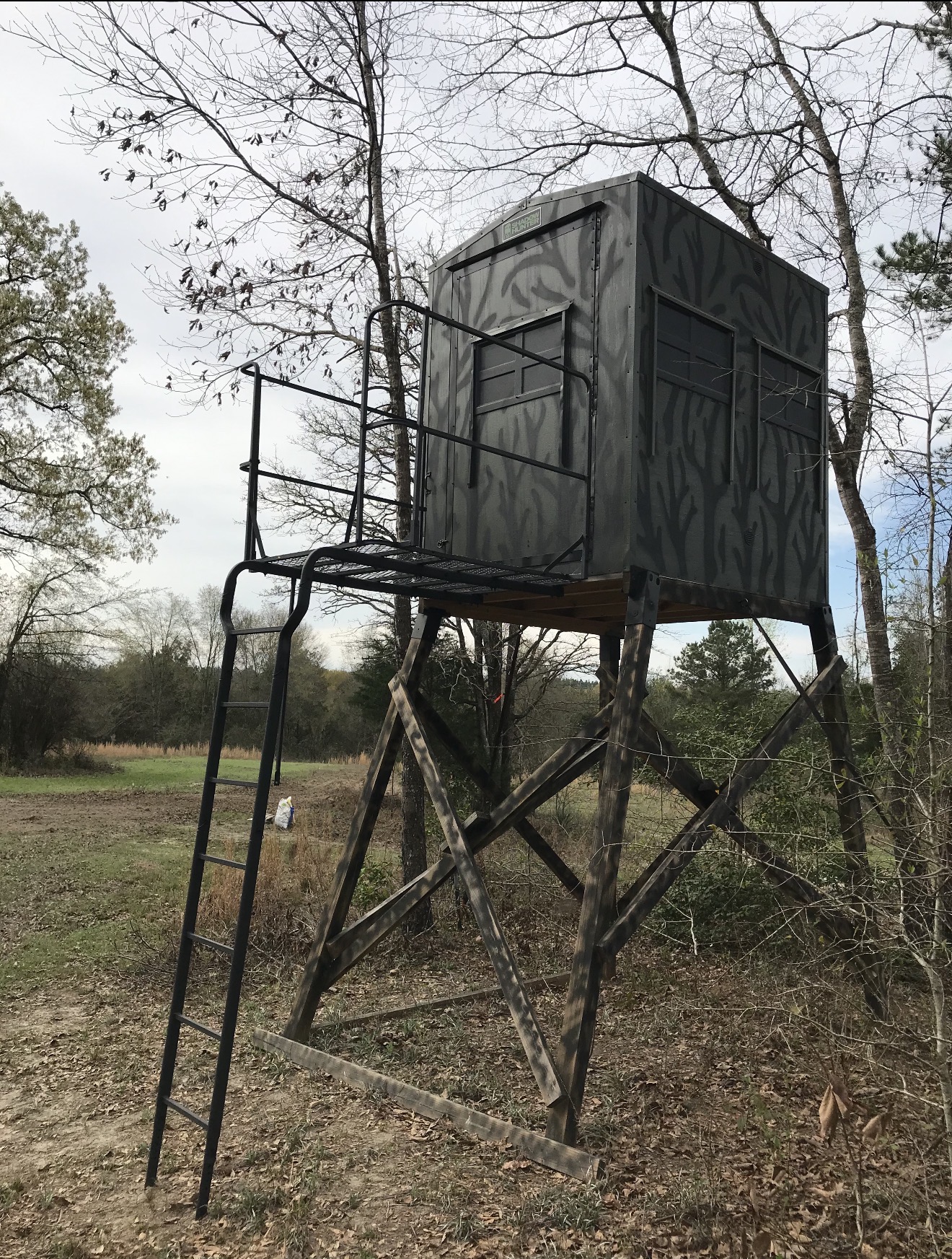
Every stand is hung on an entry and exit route that keeps deer from ever knowing you were there — and the cameras run all year so harvest decisions are made off data, not guesses.
- —Heated, insulated box blinds and ladder stands
- —Quiet interior access trails cut to each set
- —Trail cameras run year-round for buck inventory
- —Age-based harvest — young bucks walk
See the work in the photos
The Land & Habitat album has the full run of plot, dozer and mineral-lick photos from the ranch.